


Pathways to Hope Africa (PTHA)2025 Annual Impact Review
Development and Empowerment for all -Healthcare Systems and Vocational Strengthening
2025 marked a year of strategic execution, institutional collaboration, and measurable community impact for Pathways to Hope Africa (PTHA). Through research-driven partnerships and direct humanitarian engagement, we strengthened healthcare systems, expanded access, and advanced sustainable social enterprise models across Uganda and neighboring regions.
Our work this year reflects a continued commitment to creating innovative solutions that promote dignity, access, and long-term resilience.
Research & Development Initiatives
1. Maternity Shelter & NICU Design Project
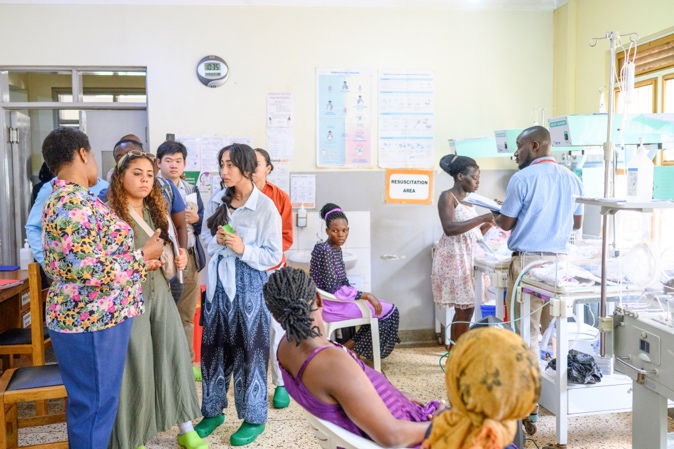


In partnership with University of Maryland - A. James Clark School of Engineering and Jinja Regional Referral Hospital, PTHA collaborated with faculty and students to co-design an integrated Maternity Shelter and NICU Expansion Model tailored to the needs of Jinja Regional Referral Hospital.
The Challenge
Mothers of premature and critically ill newborns lacked safe, proximate accommodation near the NICU — increasing health risks, emotional strain, and barriers to sustained neonatal care.
2025 Progress
Completion of the concept design phase
Advancement into detailed design development
Development of a structured fundraising strategy to support:
Shelter construction
NICU equipment upgrades
Maternal-care and neonatal support supplies
This initiative establishes the foundation for a scalable maternal-child health infrastructure model for regional referral hospitals across Uganda.
Partner Institutions:
Jinja Regional Referral Hospital
University of Maryland - A. James Clark School of Engineering
2. Social Enterprise for Persons with Disabilities

In collaboration with Columbia University School of International and Public Affairs and Mobility Worldwide, PTHA advanced research and field-based design of sustainable enterprise models for persons with disabilities (PWDs).
The Challenge
More than 12 million persons with disabilities in Uganda face barriers to employment, mobility, and meaningful economic participation.
2025 Progress
Through field interviews, community consultations, and participatory design workshops, PTHA and Columbia SIPA researchers co-developed a disability-inclusive enterprise framework designed to:
Promote economic prosperity for all
Improve access to durable mobility solutions
Establish locally viable, income-generating enterprise systems
Enterprise Model Components
Assembly and distribution of all-terrain Personal Energy Transportation (PET) carts
Vocational and technical skills training
Employment opportunities for PWDs and caregivers in dignified, income-generating roles
This work reflects our conviction that supporting PWDs must move beyond charity toward structured economic empowerment. We aim to create the environment that results in self-reliance for all.
Partner Institutions:
Columbia University School of International and Public Affairs
Mobility Worldwide
Mobility Assistance & Humanitarian Outreach


Through our continued partnership with Mobility Worldwide, PTHA facilitated the delivery and distribution of critical mobility devices across East and Central Africa.
2025 Impact
4 shipping containers of mobility carts received
Approximately 600 carts distributed in 2025, with an additional 1,000+ units scheduled for phased distribution
Beneficiaries reached across Uganda, Democratic Republic of the Congo, and South Sudan
Each mobility cart restores independence, expands access to livelihoods, and reinforces human dignity for individuals facing severe mobility limitations.
Expanded distribution initiatives are scheduled for 2026 to reach additional underserved communities.
Donation of Hospital Equipment & Medical Supplies
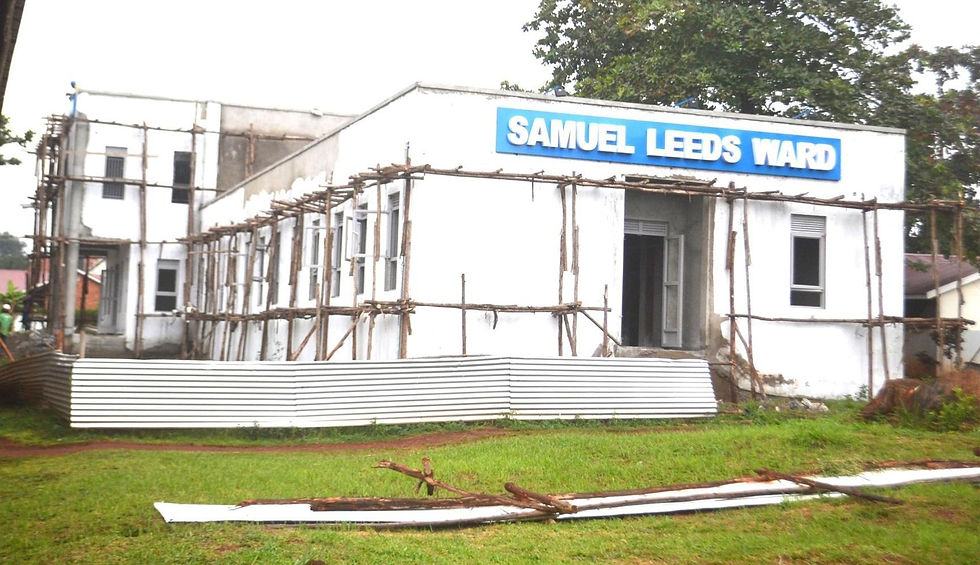
In partnership with the Kathy Hall Foundation, PTHA strengthened clinical infrastructure at Jinja Regional Referral Hospital.
2025 Contributions
To support the hospital’s newly constructed Orthopedic Wing, the following were donated:
43 hospital beds
43 hospital mattresses
10 wheelchairs
Crutches, walkers, orthopedic boots, and related supplies
Additional medical materials to enhance clinical service delivery
These contributions directly improve surgical recovery capacity, trauma response, and orthopedic rehabilitation services for the region.
Looking Ahead to 2026
As we reflect on 2025, our strategic focus remains clear:
Advance maternity shelter construction and NICU capacity
Launch pilot of enterprise workshops to include persons with disabilities.
Expand mobility access across underserved regions
Deepen institutional partnerships for healthcare systems strengthening
PTHA will continue working alongside academic institutions, hospital systems, ministries, and community stakeholders to deliver measurable, scalable, and sustainable impact across East and Central Africa.
Partner Tribute
We extend our sincere appreciation to the institutional and community partners whose collaboration made 2025 possible:
Mobility Worldwide
Jinja Regional Referral Hospital
University of Maryland School of Medicine
University of Maryland - A. James Clark School of Engineering
Columbia University School of International and Public Affairs
Kathy Hall Foundation
Your expertise, collaboration, and shared commitment to development for all has been instrumental in achieving these milestones.
How You Can Partner
Donate — Sponsor maternity shelter construction, NICU equipment, or mobility workshop setup.Invest — Support enterprises that generate sustainable economic opportunity with a focus on the underserved and persons with disabilities.Collaborate — Share expertise in engineering, healthcare systems, social enterprise, or operational strategy.
Together, we build systems that restore dignity, strengthen institutions, and create pathways to lasting hope.


